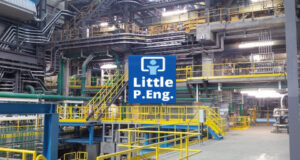
Industrial facilities depend on strong mechanical systems that can perform safely under demanding operating conditions. From power generation facilities to manufacturing plants, piping systems carry liquids, gases, and chemicals through interconnected networks that must remain stable during operation. A professional Pipe stress analysis company helps industries evaluate the safety, reliability, and flexibility of these systems before problems occur. These services are essential because even small piping failures can lead to shutdowns, financial losses, or safety risks for workers and surrounding environments.
Engineering consultants play a major role in preventing operational failures by studying how piping systems react to pressure, vibration, thermal expansion, and external loads. Companies such as Little P.Eng. Engineering specialize in industrial engineering solutions that support compliance, efficiency, and long term system durability. Their expertise allows industries to improve system performance while reducing unnecessary maintenance costs and operational interruptions in critical industrial sectors.
Why Pipe Stress Analysis Matters in Industrial Facilities
Piping systems experience continuous movement and force during daily operations. Temperature changes can cause pipes to expand or contract, while pressure fluctuations create additional stress on joints, supports, and connected equipment. A qualified Pipe stress analysis company studies these conditions carefully to ensure that systems remain within allowable engineering limits and industry safety standards. This process helps avoid pipe cracking, leakage, vibration damage, and premature equipment failure.
Industrial operators also rely on stress analysis to maintain legal and regulatory compliance. Many industries follow international engineering codes that require accurate stress calculations before installation or operational approval. Proper analysis helps businesses meet standards established by organizations such as ASME and other regulatory authorities. Without professional evaluation, companies may face compliance issues, unsafe operations, and expensive redesigns after construction has already begun.
Core Services Offered by Engineering Consultants
Engineering consultancies provide a wide range of services beyond simple piping calculations. Their work often includes piping layout development, structural assessments, thermal expansion analysis, and equipment load evaluations. A dependable Pipe stress analysis company also examines support placement, nozzle loading, seismic effects, and operational movement to create safer industrial systems that function efficiently under real world conditions.
Simulation technologies have become increasingly important in industrial engineering projects. Advanced software allows engineers to model system behavior before fabrication and installation begin. This helps identify weaknesses early in the design stage and minimizes costly field modifications later in the project. Companies like Little P.Eng. Engineering use engineering simulations and design expertise to support industrial clients with accurate, data driven solutions for complex operating environments.
Industries That Depend on Stress Analysis Services
Oil and gas facilities rely heavily on piping integrity because these systems transport hazardous and high pressure materials. Refineries, petrochemical plants, and offshore platforms all require detailed engineering reviews to prevent dangerous failures and maintain safe operations. A professional Pipe stress analysis company helps these industries ensure that piping systems remain stable under extreme temperatures, vibration, and process conditions.
Manufacturing plants and power generation facilities also benefit significantly from professional stress analysis services. Steam lines, cooling systems, and process pipelines must operate continuously without interruption. Even minor piping instability can reduce production efficiency or damage connected machinery. Engineering consultants help businesses maintain operational reliability while protecting equipment investments and improving long term plant performance through carefully optimized designs.
Key Factors Evaluated During Pipe Stress Analysis
Engineers examine several important factors when analyzing industrial piping systems. Thermal expansion is one of the most critical considerations because heat causes pipes to grow and move during operation. Pressure loads, dead weight, wind forces, and equipment displacement also influence piping stability. A skilled Pipe stress analysis company evaluates all these variables to create systems that can withstand operational stresses without compromising safety or performance.
Engineers also study vibration behavior and support arrangements to reduce long term wear and fatigue damage. Proper support design prevents excessive movement while maintaining enough flexibility for thermal expansion. During analysis, specialists review how forces transfer to pumps, vessels, and heat exchangers to ensure connected equipment remains protected from unnecessary loading and mechanical strain during operation.
Benefits of Hiring Experienced Engineering Specialists
Working with experienced engineering consultants provides industries with greater confidence during both design and operational phases. Professional analysis improves safety, minimizes downtime, and supports smoother project execution. An experienced Pipe stress analysis company can identify design weaknesses early, helping businesses avoid costly repairs and unexpected operational failures after installation has already been completed.
Another major advantage involves project efficiency and long term cost savings. Properly designed piping systems typically require less maintenance and experience fewer operational disruptions over time. Engineering specialists can also optimize material usage, support placement, and system routing to improve overall project economics. These improvements help companies maintain competitive industrial operations while protecting valuable infrastructure investments.
Engineering Standards and Regulatory Considerations
Industrial piping systems must follow strict engineering codes and safety regulations to protect workers, equipment, and surrounding environments. Compliance standards vary depending on industry type, operational pressure, material selection, and regional requirements. A qualified Pipe stress analysis company ensures that system designs align with applicable engineering codes and project specifications before construction or operation begins.
Regulatory compliance is particularly important for industries operating in regions with strict environmental and occupational safety laws. Failing to meet required standards can result in project delays, financial penalties, or operational shutdowns. Professional engineering consultants help companies navigate complex compliance requirements while maintaining system performance and operational reliability across different industrial applications.
How Simulation Technology Improves Project Accuracy
Modern engineering software has transformed the way industrial systems are designed and analyzed. Advanced simulations allow engineers to visualize stress distribution, movement patterns, and equipment loading under various operating scenarios. These tools provide more accurate predictions than traditional manual calculations and help reduce uncertainty during the engineering process.
Simulation technology also improves communication between engineering teams, contractors, and project stakeholders. Engineers can review digital models, evaluate alternative design approaches, and resolve potential problems before fabrication begins. Some common simulation advantages include:
- Improved accuracy during thermal and pressure evaluations
- Early detection of piping movement and vibration risks
- Reduced need for costly redesigns after installation
- Better coordination between structural and mechanical systems
These capabilities support safer and more efficient industrial projects across multiple sectors. Companies such as Little P.Eng. Engineering apply modern simulation methods to help industrial clients optimize system reliability and long term operational performance.
Choosing the Right Engineering Consultancy
Selecting the right engineering consultancy requires careful evaluation of technical expertise, industry experience, and project capabilities. Businesses should look for consultants with proven knowledge of industrial systems, relevant engineering standards, and advanced simulation tools. A trusted Pipe stress analysis company should also provide clear communication, accurate documentation, and practical engineering recommendations tailored to project requirements.
Project experience is another important consideration when selecting engineering partners. Consultants who understand industry specific operational challenges can often provide more efficient and reliable solutions. Reviewing previous projects, technical qualifications, and engineering methodologies helps businesses identify consultants capable of supporting both small scale and large industrial developments effectively.
Future Trends in Industrial Engineering Services
Industrial engineering continues evolving as industries adopt more advanced technologies and automation systems. Smart monitoring tools, digital twins, and real time performance tracking are becoming increasingly valuable for maintaining piping reliability and operational safety. Engineering consultants are integrating these technologies into modern industrial projects to improve predictive maintenance and system optimization strategies.
Sustainability and energy efficiency are also shaping the future of industrial engineering design. Companies now focus on reducing energy consumption, minimizing emissions, and improving operational efficiency across industrial facilities. Engineering consultants support these goals by designing optimized systems that balance performance, compliance, and environmental responsibility while maintaining safe industrial operations.
Conclusion
Industrial facilities require safe, efficient, and compliant piping systems to maintain reliable operations in demanding environments. Professional stress analysis services help industries identify potential problems before they lead to equipment damage, operational shutdowns, or safety hazards. By evaluating pressure loads, thermal movement, structural behavior, and equipment interaction, engineering specialists create systems that support long term operational success.
Choosing an experienced engineering consultancy can significantly improve project quality, safety, and overall efficiency. Whether supporting oil and gas facilities, manufacturing plants, or power generation systems, professional engineering services remain essential for modern industrial infrastructure. Businesses seeking reliable industrial system solutions can benefit from working with trusted experts who understand the importance of safety, compliance, and optimized engineering performance.